
Skardu Tour Packages
Skardu Valley is located at the confluence of the Indus River and the Shyok River, and it is the land that is home to the 2nd highest mountain in the world, K2, with rich history, vibrant culture, and pure natural beauty. Skardu has extreme adventure opportunities that you don’t want to miss.
Skardu welcomes tourists from Pakistan and around the world who are attracted by its natural wonders. We have designed some well-researched and planned Skardu Tour Packages 2025 for you to enjoy a stress-free, luxurious, and adventurous experience.
Customized Skardu Pakistan Tour Packages 2025

6 Days Skardu Valley Tour

7 Days Skardu Valley Tour

8 Days Skardu Valley Tour

8 Days Hunza and Skardu Valley Tour

9 Days Skardu Valley Tour
10 Days Skardu Valley Tour
10 Days Hunza and Skardu Tour
11 Days Skardu Valley Tour

12 Days Skardu and Fairy Meadows Tour
12 Days Skardu and Hunza Tour

15 Days Hunza and Skardu Valley Tour

12 Days Skardu, Hunza and Fairy Meadws Tour

15 Days Skardu, Hunza and Fairy Meadws Tour
Skardu Tour Packages By Air
We can directly land in Skardu City from Lahore, Islamabad, or Karachi by using Skardu Tour By Air. Some international flights are also available for Skardu. Pakistan International Airlines offers direct flights from Islamabad, Lahore, and Karachi to Skardu. Recently, Skardu has opened its gates for international flights. It has given a significant boost to international tourism in Pakistan.
This air travel to Skardu has so much to offer. The highlights of this trip are the aerial view of sky-scrapping Nanga Parbat, Babusar Top, Saif-ul-Malook Lake, Fairy Meadows, and the view of the mighty Indus River. This air travel to Skardu takes 45 minutes to 1 hour only, and you can spend more time at your desired destinations in Skardu or Hunza Valleys.
We at NatureHikePakistan.pk offer Skardu by Air ticket bookings and Skardu Tours by Air. You can select from the Skardu by Air Tour Packages given above.
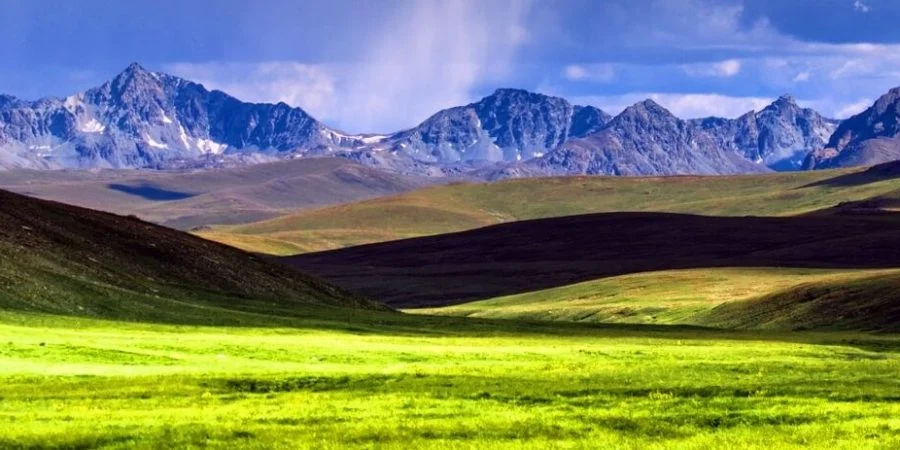
4 Days By Air Shangrila, Skardu, and Khaplu Valley Tour

4 Days By Air Skardu and Shigar Valley Tour
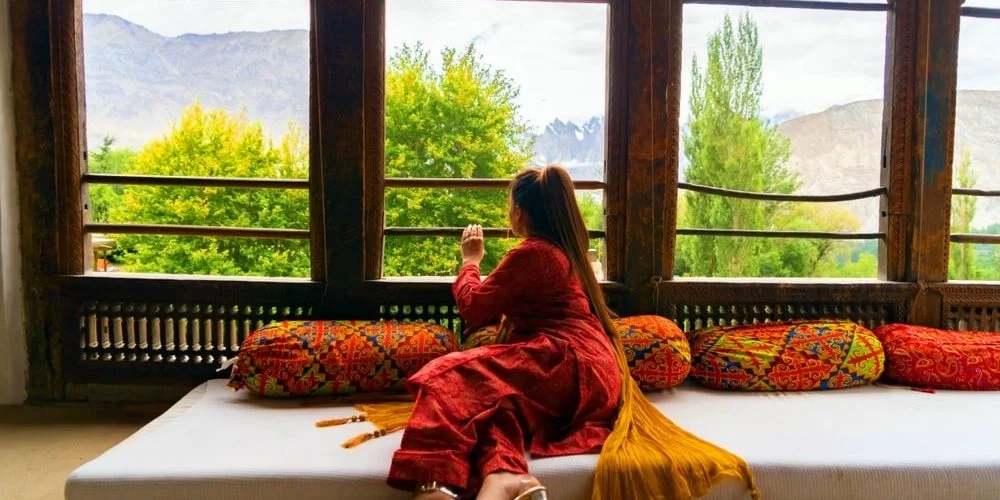
6 Days By Air Skardu, Kharmang, and Ghanche Tour
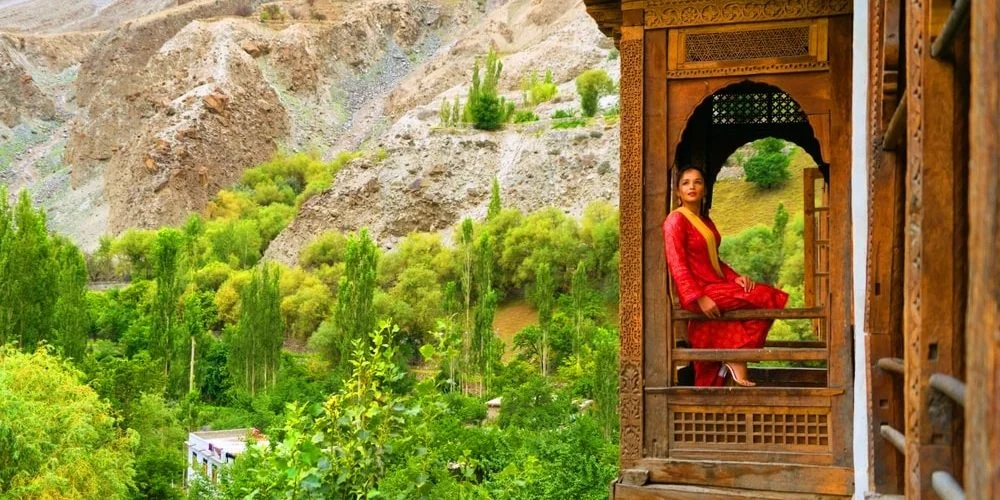
5 Days By Air SOQ Valley, Skardu, and Deosai Tour

8 Days By Air Skardu, Chunda Valley, Khaplu, and Deosai Tour

7 Days By Air Skardu Valley and Hunza Tour

10 Days By Air Skardu, Fairy Meadows, and Hunza Valley Tour
Client Category of Customized Skardu Pakistan Tours:
- Skardu Couple / Honeymoon Tour Packages are designed to help the newlyweds cherish the new life together with all the luxury and solitude, surrounded by the beautiful nature.
- Skardu Family Tour Packages are designed to ensure a fun, luxurious, and secure environment for your loved ones to intensify the blood bond and acquire memories for a lifetime.
- Skardu Students / Friends Group Tour Packages are designed to have all the fun, engaging activities and games for laughing together, dancing together, and, more importantly, exploring the adventurous destinations together without the hassle of planning all the bits of the tour. You only have to decide what to pack for that memorable tour with your besties.
- Skardu Corporate Groups Tour Packages are designed to create an environment for the employees to develop a closer connection with each other, enhance their potential for team building, and entertain themselves with nature outside their usual office environment.
We have
- Skardu Tours Packages from Lahore
- Skardu Tours Packages from Karachi
- Skardu Tours Packages from Islamabad
You can also customize these tours from other cities in Pakistan.

Skardu City
Skardu City, the capital of Skardu District, is located in Gilgit Baltistan province of Pakistan. Skardu was an ancient city with traces of Tibetan, Maqpon, Dogra, Mughal, and British rule until it fell into the democratic land of Pakistan. People here speak Balti, English and Urdu languages. Skardu is located where the Shigar River falls in the mighty Indus River. It is a famous tourist destination in Pakistan. Millions of local and international tourists turn to Skardu annually.
Skardu International Airport
Skardu Airport is located a few kilometres from the Skardu City. It is one of the most scenic airports in the world. You will fall in love with Skardu as soon as you get the first glance of it. Skardu offers domestic and international flights for the tourists. Direct domestic flights from Lahore, Karachi, and Islamabad are operational, and direct international flights from Dubai are available. It is excellent news for the readers that you can directly land in the Skardu. Right now, AirBlue and Pakistan International Airlines offer flights to Skardu.


Masroor Rock Hussainabad
Masroor Rock recently gained popularity due to its unique formation resembling the Trolltunga rock in Norway and the panoramic view of the Skardu Valley that it offers from the rock. It was discovered by the local photographers when they were exploring the Hussainabad Village for some good shots. It takes almost 3 to 4 hours from Hussainabad to the rock. It is a steep, challenging track, but the view up there is one to die for. You will also encounter Hussainabad Waterfall on the way to the rock, like an oasis in the desert.
Manthal Buddha Rock Carving
Several Buddhist rock carvings around Gilgit Baltistan indicate Buddhism’s presence in the region. One such rock carving is the Manthal Budha Rock. It earned this name due to its location in the Manthal Village. It is almost 3 km from the Skardu City. In old times, the worshipers or devotees carved a huge Budha on a granite rock. It is a holy place for the Buddhists and a popular tourist destination. It is perfectly preserved and taken care of.


Skardu Highway (JSR)
Jaglot-Skardu Road or Skardu Highway (also S-1 Highway) provides the link between Karakoram Highway and Skardu. It is a 167 km long highway, which starts from the Jaglot town on KKH till the Skardu City. This highway faces numerous landslides and gets blocked for clearance and renovation. This highway holds enormous significance for tourism in the region. It is also essential to the locals as they use it to supply goods to the people of Skardu and surrounding areas.
Deosai Plains
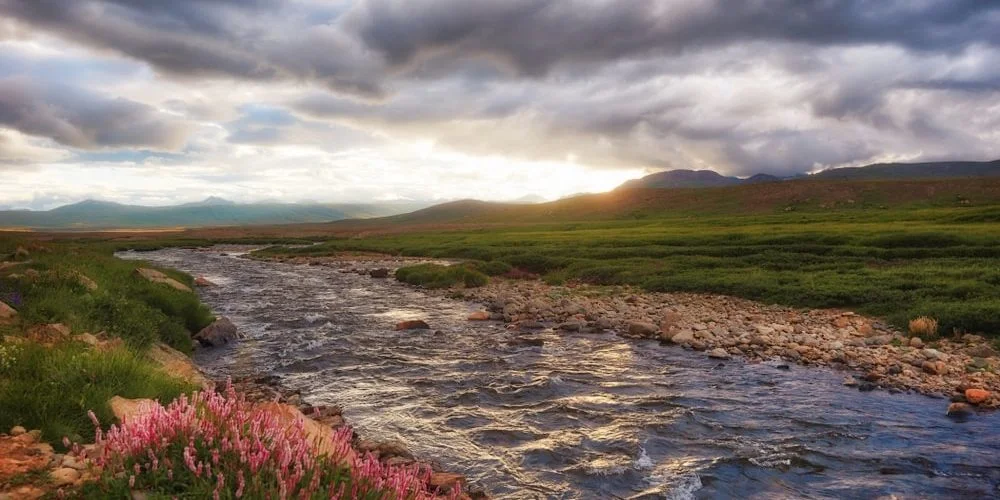
Deosai is a massive mountainous plateau in Skardu Valley, referred to as the “Roof of The World.” It is protected under the Deosai National Park, which is managed by the Pakistan Army and the Pakistan Government and lies at an altitude of 4,114m above sea level. Deosai is the second-highest plateau in the world, spread over 3,000 sq km. The word Deosai means “The Land of Giants” because of the monstrosity it offers. Deosai connects Skardu with Astore Valley through the Deosai Road. As a part of Deosai falls under the Astore District, you can also access Deosai from Astore’s side entering through Chillam Chowki. It remains closed from November till May due to snow. There are several camping and glamping sites in Deosai.
This giant land is home to the Himalayan Brown Bears, Siberian Ibex, Snow Leopard, Kashmir Musk Deer, Himalayan wolf, Himalayan Marmot, Trout Fish, and over 124 types of habitant and migratory birds.
Sheosar Lake, Talkhumbo Lake and a few other lakes are on the premises of Deosai. Kala Pani and Bara Pani are two major river crossings in Deosai.


Satpara Lake
Satpara (or Sadpara) Lake is a natural glacial lake. It is located at the beginning of the Skardu-Deosai road, surrounded by rocky mountains, almost 7 km from Skardu City. Satpara Lake is at an altitude of 2,636 meters. Deosai and the surrounding high mountains are tributaries of Satpara Lake. It is nearly 3 kilometers long, which elongated with the construction of the Satpara Dam. Satpara Dam was constructed on the lake and became operational in April 2013 to provide electricity and water to the people of Skardu. The people of Skardu utilize this water for drinking and agricultural purposes.
Sheosar Lake
Sheosar Lake is located in the heart of Deosai Plains. Sheosar in an Alpine Lake, fed by the water from the glaciers. This lake is accessible both from the Skardu and the Astore. Due to extreme winters, the lake is accessible only for 5 to 6 months, from May to October or November. Vast bunches of colorful wildflowers surround the lake during the summer and spring. These flowers add to the beauty of the lake. One can also witness the mighty Nanga Parbat on clear days from the lake, like a crown over it.


Shangrila Resort and Lower Kachura Lake
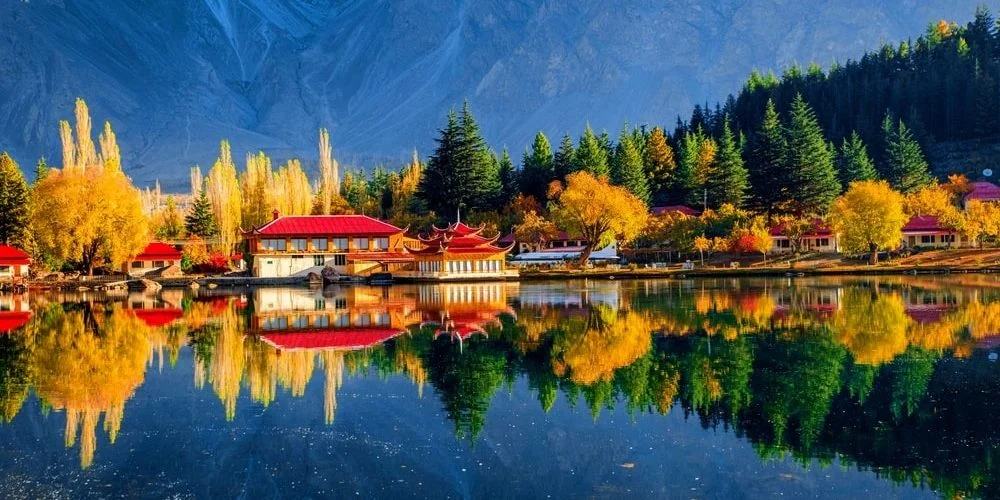
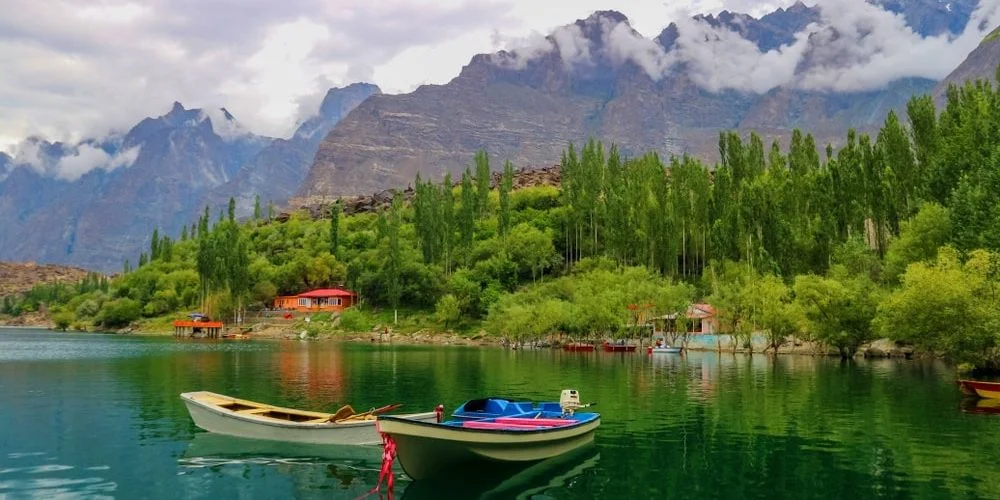
Shangrila Resort Skardu, as the name suggests, is often referred to as the “Heaven on Earth” and is the first resort of its kind in the north of Pakistan. Pretty elegant 90’s well-maintained cottages surround the artificially heart-shaped Lower Kachura Lake. Fish swimming in the lake, surrounded by flowery and grassy lawns, shadowed by the huge rocky mountains of Skardu Valley, is a match made in heaven. Lower Kachura Lake is also known as the Shangrila Lake Skardu. Shangrila Resort was founded by Brig. Mohammad Aslam Khan was the first commander of the Northern Scouts in Gilgit Baltistan.
Upper Kachura Lake
Soq Valley is located in Skardu on the back side of Shangrila Resort. It is a less visited tranquil place. The river flowing in the valley is known as the Soq River. A jeep track from Shangrila Resort leads us to the Soq Valley. It takes almost half an hour to get to the place. There are several hotels and restaurants in the valley. One can also camp here beside the river.
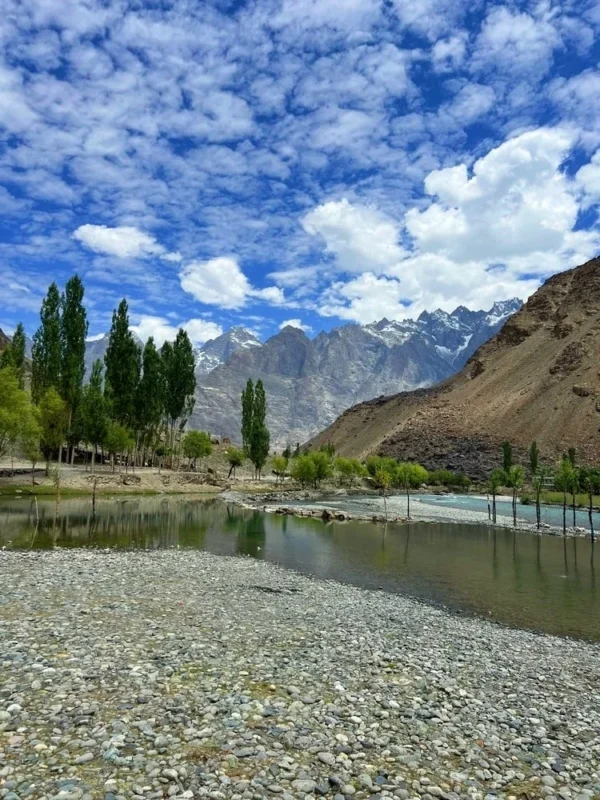

Mathokha Waterfall
Manthokha Waterfall is located in the Kharmang District of Gilgit Baltistan, at the farthest end of Skardu. It is almost 1.5 to 2 hours from Skardu City. Manthokha Waterfall is an artificial waterfall. But its beauty can surpass many natural ones. Manthokha has become a famous tourist picnic point in the recent years. It is in full bloom during summer and freezes when winter arrives. Manthokha Treehouse Resort is located in front of the waterfall. It is the best option for a relaxed luxury stay in the valley.
Khamosh Waterfall
Khamosh Waterfall is almost 3 hours from Skardu City by car, situated on the Skardu-Kargil Road in the Kharmang District of Gilgit Baltistan. It is named Khamosh because it is in the Khamosh Valley of Skardu. It is a natural waterfall. When the water falls on the gigantic rocks on the ground, it sprays water all around the place because of the height of the waterfall. You can only camp here for night stays, being fully equipped.


Shigar Valley
Shigar Valley is located in the Shigar District of GB. The Shigar River, flowing from the Shigar Valley, falls into the Indus River. It is a gateway to the skyscraping Himalayan Mountains like K2, Broad Peak, and Golden Peak through Askole, which is the last village before all the wilderness of the Himalayas strikes in. Chogolugma, Haramosh, Biafo, Baltoro, and Gondogoro Glaciers are located in the Shigar Valley. Thally La, Gondogoro La, Haramosh La, Hispar La, Khurdopin Pass, Verjerav Pass, Lukpe La, Skam Pass, Muztagh Pass, Jamal Pass, and the Windy Pass between the K2 and the Broad Peak are in the premises of Shigar. A metalled road from Skardu leads us to the Shigar Valley. This valley also holds much historical importance in the region.
Shigar Fort
Shigar Fort is an almost 450-year-old fort from the 17th century located in the Shigar Valley of Gilgit Baltistan. The Rajas of Shigar Valley built this fort as a residence for themselves. They built the fort with rocks, gravel, and wood on a giant rock. It is almost 1 hour from Skardu City. The fort has a small museum that preserves the belongings of the royal families at that time. A part of the Shigar Fort was transformed into a traditional yet luxurious hotel by the Serena Hotels, now known as the Serena Shigar Fort. They restored the rooms in such a way that it glorified the charm of royalty. This Fort contains a small garden with Cherry, Apple, and Apricot trees called the Anchan Garden. This Garden has a little 12-door structure called “Baradari” in Urdu. The Fort also includes a small restaurant.


Blind Lake Shigar
Blind Lake Skardu or Jarba Zhou Lake is at a distance of almost 1 hour from the Skardu City. A jeepable to track from Shigar Road leads us to the lake. There is a small canteen/tuck shop here. A small camping site is also available at the lake. Coming to the name “Blind Lake,” it is not clear what the water source is in this lake, and there is no place where the water flows out; this is why the locals give it this name.
Katpana Desert or Sarfaranga Desert Skardu
You must have heard of many deserts in the world that are hot, but Skardu has its unique ‘cold deserts,’ and the only one in the world are the Sarfaranga Cold Desert Skardu and Katpana Desert Skardu.
The Katpana Desert is in the Skardu District, beside the Skardu Airport. Several hotels, glamps, and camping sites are available in the Katpana Desert. A small lake in the desert is known as the Katpana Lake.
The Sarfaranga Cold Desert is in the Shigar Valley, which is the highest desert in Pakistan with an altitude of approximately 7300 ft above sea-level. It also stands among the highest deserts in the world. There are no night-stay options available here. The Sarfaranga Desert Jeep Rally is organized annually in the Sarfaranga desert by the people of Skardu. Many participants from around the world take part in this rally. Apart from this, some activities like Desert Safari, Paramotor Gliding, Quad Biking, Horse Riding, and Dirt Biking are also available during the summer.


Khaplu Valley
Khaplu Valley Skardu is a district capital in the Ghanche District of Gilgit Baltistan. It is almost 115 km from Skardu City, which takes nearly 3 hours to travel. Khaplu Valley is located at the confluence of the Shyok River and Indus River. Shyok enters Pakistan from Ladakh Valley in India and merges with the Indus River, passing through the Khaplu Valley. Khaplu also holds historical significance in GB. The old trade route between Ladakh and Gilgit Baltistan moved through Khaplu before the Sub-Continent partition. The famous Ghwari Road is also in the Khaplu Valley.
Khaplu Fort
Khaplu Fort is in the Khaplu Valley. Old Khaplu Fort, built in the mid-19th century, was used by Yabgo Raja of Khaplu as a residence. For construction purposes, the people threw a huge stone from a nearby mountain and built the Fort where the stone stopped. Later, they constructed a new fort near the old one, Khaplu Fort. This Fort is also known as “Yabgo Khar” by the local people of Khaplu.
A part of this Fort was transformed into a traditional luxury hotel by the Serena Hotels, now known as the Serena Khaplu Fort. Serena Hotels also transformed a part of the Fort into a museum that preserves the belongings of the royal families that lived here.


Chaqchan Mosque Khaplu
Chaqchan Mosque is a nearly 700 years old mosque in Khaplu Valley. Mir Syed Ali Hamdani constructed this mosque with the arrival of Islam in the Khaplu Valley. He played a vital part in spreading Islam in the region.The building structure of Chaqchan combines the Kashmiri, Mughal, and Tibetan construction techniques. The mosque’s interior is bright and multicolored because of the printed walls and the beautiful prayer mats.
Saling Valley and Haldi Cones
Saling Valley is nearly 12 km from Khaplu Village. The road to Saling is asphalt till the Saling Bridge and becomes rough onwards. Saling Valley has an amazing landscape with crystal clear water streams and lush green grassy land, crowned by the rocky peaks of Haldi Cones. In Urdu, Haldi translates to Turmeric. It is said that the Haldi Cones got this name because of the ‘golden orange’ color of the peaks when the sun shines on them. There is a small artificial lake in the valley called the Sogha Lake.
Saling also has a Fish Farm known as the Saling Fish Farm. If we go further into the valley, there comes a point towards Hushe Valley where we can see the Masherbrum Peak. This place is known as the Masherbrum View Point.


Hushe Valley
Hushe Valley is in the Ganche District of Gilgit Baltistan, approximately 2-3 hours drive from Khaplu, and the drive itself is pretty amazing. The government protects Hushe Valley and falls inside the premises of the Central Karakoram National Park. It serves as the base for trekking towards Masherbrum, K2, Broad Peak, Gondogoro La, Snow Lake, Concordia, and the surrounding mountain peaks. Many people turn to Hushe Valley to satisfy their adventure lusts. It is also known as the “Valley of Mountains.” There is a town named “Kanday” in Hushe Valley, which is the last village of this valley in Pakistan, before the wilderness of skyscraping mountains.
Kharpocho Fort (Skardu Fort)
Kharpocho Fort (Skardu Fort)
Kharpocho Fort (also Skardu Fort) is at the back side of the market in Skardu City, where a small road from the Hussaini Chowk takes us to the starting point of a narrow, steep track which leads us towards the Kharpocho Fort. It takes almost 20 to 30 minutes to reach the gate fort. The fort’s entrance has an old wooden gate with a small window opening to let the visitors inside. Ali Sher Khan Anchan, a Baltistani King, built this fort in 1840 and named it Kharpocho, which means “The King of Forts.” This fort gives an aerial view of the Skardu City, and the ruins of the old fort remain to date.


Organic Village
Nansoq Village in Skardu is known as the Organic Village, as the inhabitants have adopted organic ways of living. They still use the old lifestyle of the Balti people. Agriculture, cooking styles, house structures, transport, roads, and all else give us a glimpse of how the ancient people must have lived here in the region. Nansoq Village, or Organic Village, is located beside the Kharpocho Fort. A narrow, steep track side by side to the Indus River, of almost 40-45 minutes, leads us to the village from the Hussaini Chowk of the Skardu City.
Basho Valley
Basho Valley is in the Rondu District of Skardu. It is almost 2:30 to 3 hours from Skardu. We travel on the JSR for almost 1-1:30 hours, and after that, we cross the iconic Basho Hanging Bridge to the left, and the off-road track starts for nearly 2 hours. There is a beautiful waterfall just below the bridge, known as the Basho Waterfall. After a long, bumpy ride passing through various villages, we enter the heaven of Basho Valley. Basho is an adventure lovers’ heaven with its lush green meadows, crystal clear river flowing through the valley, dense Basho Forest, and rocky mountains covered in white snow. Many camping sites are available here for the tourists. You can hire jeeps from Skardu City to get you to the valley. For more information, you can read our Basho Valley Travel Guide.


Bilamik Valley
Bilamik Valley is located in the Rondu District, almost 70 km from Skardu City. The jeep track for Bilamik starts 20 km after you cross Astak Nala point on the JSR and just before the Dambodas Village. It takes almost 1.5 to 2 hours on the jeep to reach Bilamik after crossing the Dambodas Suspension Bridge over the Indus River. The jeep track crosses a few villages along the way until you reach Bilamik. This Valley is another tourist heaven. You can camp up here for the night. Only basic facilities are available here.
Chunda Valley
Chunda Valley is located on the back side of the Skardu Airport. It takes almost 45 minutes to 1 hour to Reach Chunda Valley using a jeepable track. This track starts from the Skardu City. There are several villages on the way. Chunda is another heaven of Skardu crowned by rocky mountains, river crossings, and grassy lands. Chunda Valley gives an aerial view of the Skardu City and Shangrila Resort. There are several camping sites and hotels available in the valley.


Astore Valley
Astore (or Astor) Valley is in the Astore District of GB. Astore was closed to tourists for a long time because of its geographical position, as it borders India through Kargil, but in recent years, the Army of Pakistan has opened its gates to everyone. Astore is accessed by taking the turn to Astore Road from Jaglot Town on KKH, and another route to Astore is from Deosai Plains through Skardu City.
Minimarg, Rupal Valley, Rama Meadows, Kamri Pass, Chich Pass, Shounter Pass, Chakor Pass, Banak La, Sagar Pass, Mezano Pass, Burzil Pass, Rattu Valley, a part of Deosai Plains and Bilamik Valley are a part of Astore Valley. Dirlay Lake, Daroo Lake, Rainbow Lake, Crystal Lake, Allah Wali Lake, Ghulam Sar Lake, Rama Lake, and Beryl Lake are in Astore Valley. In short, Astore Valley has so much to share with its visitors.
Minimarg and Rainbow Lake
Minimarg is a small village in the Astore Valley, which borders India and Azad Kashmir through Minimarg. It is accessed from Astore through the Burzil Pass using all sorts of vehicles. This village is the site of an ancient trading route between Gilgit Baltistan and Kashmir. The famous Kamri Pass is a mountain pass between the two valleys, where we enter Taobat Village on the other side. This route is a par of Gurez Valley.
There are two lakes in Minimarg: Rainbow Lake and Crystal Lake. Rainbow Lake is an artificial lake used as a water source for trout breeding, and it adds to the valley’s aesthetics. On the other hand, Crystal Lake is a smaller but natural lake. Both the lakes have captivating beauty.
As the Pakistan Army manages this area, they establish a camping site to entertain the tourists.

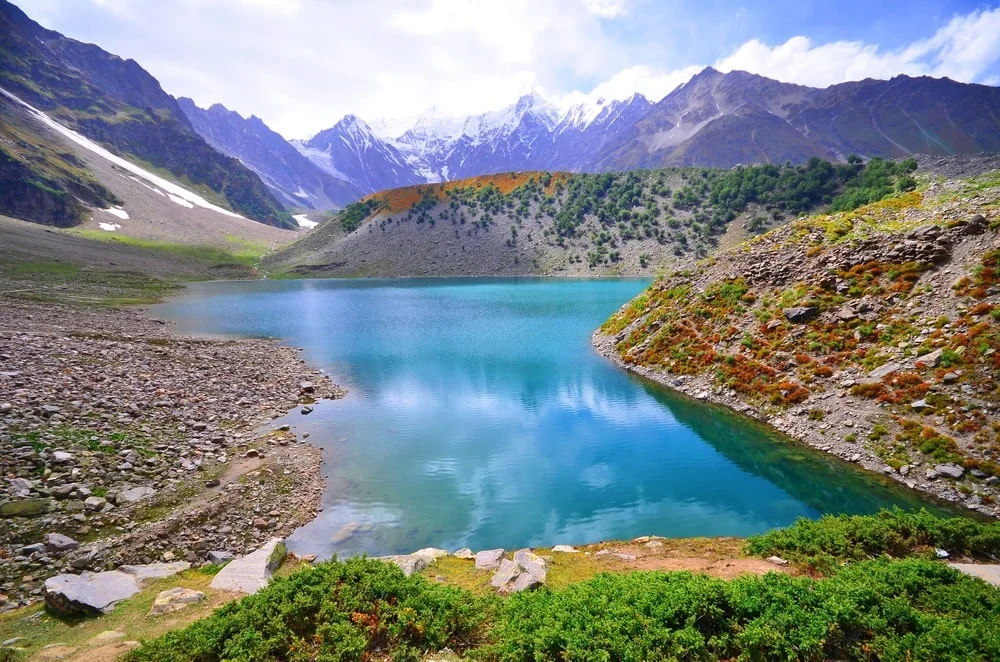
Rama Meadows and Rama Lake
A jeep track from Astore takes us to the Rama Meadows. There are several camping sites along the way for adventure enthusiasts. A 1 to 1.5-hour trek takes us to Rama Lake, which the Nanga Parbat shadows. You can also access Rama Lake on bikes.
Rupal Valley
Rupal is a small village located in the Rupal Valley, which is in Astore. A jeep track from Tarshing Village (in Astore) passing through the Chhungphar Glacier leads us to the Rupal Valley. The same jeep track will take us to the camping site just before the Nanga Parbat Basecamp. After that, a one-hour trek will take us to the base camp. This is the southern part of Nanga Parbat, also known as the Rupal Face. It is one of the most easily accessible basecamps of an 8000-meter peak in the world.


Haramosh Valley
Haramoash Valley is located in the Gilgit District. A one-hour narrow jeep track starts from the Sassi Village on the JSR and leads towards Dasso Village. A 6 to 8-hours long rugged trek begins at Dasso, passing through Iskere Village and various dangerous river and glacier crossings. After a long, tedious hike, the first glimpse of the valley will make you forget about your sore legs. It is a fragment of paradise crowned by the Haramosh I, Haramosh II, and Laila Peaks. A hotel with a camping site is available here, with only essential services provided.
Another 1-hour long jeep track from Sassi Village leads us to the Khaltaro Valley and Khun Meadows.
Kutwal Lake
A 40 to 50-minute-long trek from Kutwal Village in Haramoash Valley leads us to the Kutwal Lake. Kutwal is a small, beautiful lake surrounded by sky-scrapping peaks of Haramosh Valley and the Hamaosh Glacier. It is a must visit location if you come to Haramosh Valley.

FAQ's
Item #1
Lorem ipsum dolor sit amet, consectetur adipiscing elit. Ut elit tellus, luctus nec ullamcorper mattis, pulvinar dapibus leo.
Item #1
Lorem ipsum dolor sit amet, consectetur adipiscing elit. Ut elit tellus, luctus nec ullamcorper mattis, pulvinar dapibus leo.
Item #1
Lorem ipsum dolor sit amet, consectetur adipiscing elit. Ut elit tellus, luctus nec ullamcorper mattis, pulvinar dapibus leo.
Item #1
Lorem ipsum dolor sit amet, consectetur adipiscing elit. Ut elit tellus, luctus nec ullamcorper mattis, pulvinar dapibus leo.
Item #1
Lorem ipsum dolor sit amet, consectetur adipiscing elit. Ut elit tellus, luctus nec ullamcorper mattis, pulvinar dapibus leo.
Item #1
Lorem ipsum dolor sit amet, consectetur adipiscing elit. Ut elit tellus, luctus nec ullamcorper mattis, pulvinar dapibus leo.
Item #1
Lorem ipsum dolor sit amet, consectetur adipiscing elit. Ut elit tellus, luctus nec ullamcorper mattis, pulvinar dapibus leo.
Item #1
Lorem ipsum dolor sit amet, consectetur adipiscing elit. Ut elit tellus, luctus nec ullamcorper mattis, pulvinar dapibus leo.
